Blog
Signs Your Child May Need an Orthodontist in Bountiful, UT
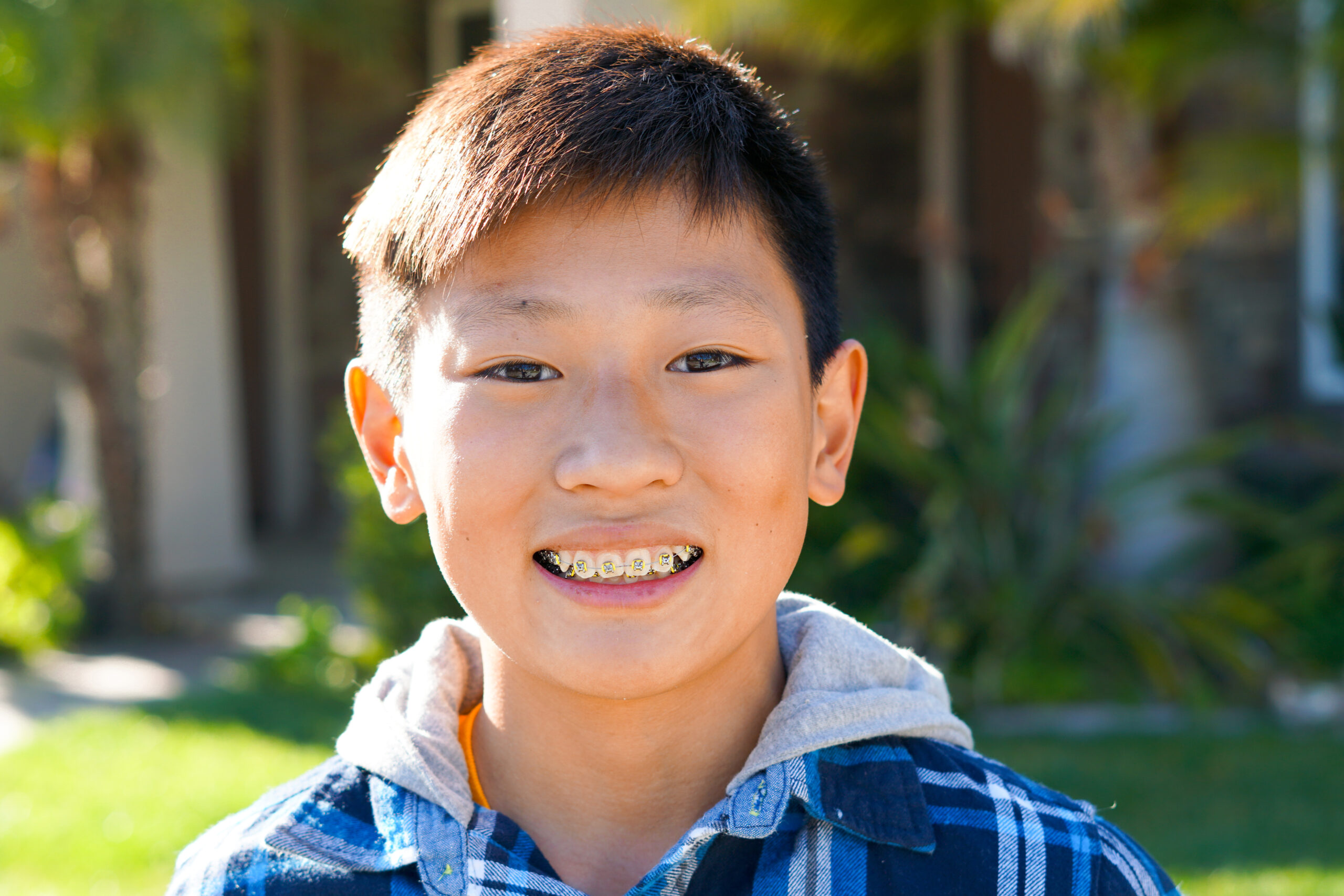
Every child develops at their own pace, and that includes how their teeth and jaws grow. Some children naturally develop straight, well-aligned smiles without much intervention, while others may show early signs that orthodontic care could be helpful. The challenge for many parents is knowing what’s normal and what might need professional attention.
Orthodontic issues are often easier to treat when they are identified early. In many cases, seeing an orthodontist at the right time can reduce the need for more complex treatment later on. For families in Bountiful, UT, understanding the early warning signs can make a meaningful difference in a child’s long-term oral health.
At Bountiful Orthodontics, early evaluations are an important part of helping children grow into healthy, confident smiles. Knowing what to look for at home is the first step.
Early or Late Loss of Baby Teeth
One of the first indicators that something may be developing is the timing of baby tooth loss. Children typically begin losing their baby teeth around age six, but the pattern and timing can vary slightly.
If baby teeth fall out much earlier or later than expected, it may affect how permanent teeth come in. Early loss can lead to spacing issues where neighboring teeth shift into empty spaces, while delayed loss may block permanent teeth from erupting properly.
These situations don’t always require immediate treatment, but they are often worth an orthodontic evaluation to ensure proper development.
Crowded or Overlapping Teeth
Crowding is one of the most common reasons children are referred to a pediatric orthodontist. It happens when there is not enough space in the jaw for teeth to come in properly, causing them to overlap or twist.
Crowded teeth can be easy to notice, even in younger children as permanent teeth begin to emerge. In some cases, crowding may worsen over time if not addressed early.
Orthodontic treatment during childhood can help guide teeth into better positions and may reduce the need for more extensive correction later in life.
Difficulty Biting or Chewing
If a child frequently struggles when biting into food or seems to chew unevenly, it may be a sign of a bite alignment issue. This can happen when the upper and lower teeth do not fit together correctly.
Children may not always recognize this as a problem, but parents might notice behaviors like avoiding certain foods, chewing on one side of the mouth, or taking longer than usual to eat.
A properly aligned bite is important not just for comfort, but also for long-term dental health and jaw development.
Mouth Breathing or Speech Concerns
Breathing through the mouth instead of the nose can sometimes be linked to orthodontic concerns, especially if it is persistent. It may be associated with jaw development or the positioning of teeth that affect how the lips close.
Speech issues such as difficulty pronouncing certain sounds can also be influenced by the alignment of teeth and jaw structure. While not always orthodontic in nature, these signs are worth mentioning during an evaluation.
An orthodontist can help determine whether dental development is contributing to these concerns.
Thumb Sucking or Pacifier Habits Beyond Early Childhood
Thumb sucking and prolonged pacifier use are common in infants and toddlers, but if these habits continue beyond early childhood, they can begin to affect tooth and jaw alignment.
Extended pressure on the front teeth can lead to spacing issues or changes in bite alignment. The earlier these habits are addressed, the more likely it is that any changes can be minimized or corrected.
If a child continues these habits past the age when permanent teeth begin to emerge, it may be time to consult an orthodontist.
Jaw Shifting or Clicking Sounds
Some children may experience noticeable jaw movement or sounds such as clicking or popping when opening and closing their mouths. While not always painful, these symptoms can indicate that the bite is not functioning smoothly.
Jaw shifts or discomfort may also be more noticeable when eating or speaking. These issues should not be ignored, as they can sometimes become more pronounced as a child grows.
An orthodontic evaluation can help identify whether early intervention is needed to support proper jaw development.
Teeth That Don’t Meet Properly
When a child closes their mouth, the upper and lower teeth should come together in a balanced way. If there are visible gaps, misalignment, or teeth that do not touch where expected, it may indicate a bite issue.
This includes overbites, underbites, and crossbites. While some variation is normal in growing children, significant misalignment can benefit from early assessment.
Orthodontic treatment during growth stages can help guide the bite into a healthier position.
Frequent Biting of Cheeks or Roof of Mouth
If a child often bites the inside of their cheeks or the roof of their mouth, it may be due to misaligned teeth. This can be uncomfortable and may also lead to irritation or sores.
While occasional accidents happen, frequent issues like this can signal that the teeth are not positioned correctly within the mouth.
Addressing alignment early can reduce discomfort and improve overall oral function.
When to Schedule an Orthodontic Visit
The American Association of Orthodontists recommends that children have their first orthodontic evaluation by age seven. At this stage, many permanent teeth have begun to come in, making it easier to identify potential concerns.
An early visit does not always mean treatment will begin right away. In many cases, the orthodontist will simply monitor growth and development over time. However, if treatment is needed, starting early can often lead to simpler and more effective outcomes.
Why Early Evaluation Matters
Early orthodontic care is not just about straightening teeth—it’s about guiding proper development. Addressing issues while a child is still growing can help influence jaw position, create space for permanent teeth, and reduce the likelihood of more complex treatment in the future.
Even if no immediate treatment is needed, having a baseline evaluation provides peace of mind and a plan for future monitoring.
Bountiful Orthodontics: Helping Your Child Smile with Confidence
Recognizing the signs early can make a meaningful difference in your child’s orthodontic journey. If you’ve noticed any of these concerns—or simply want to ensure your child’s smile is developing properly—professional guidance is the best next step.
At Bountiful Orthodontics, families in Bountiful, UT receive personalized evaluations and treatment plans designed to support healthy growth and confident smiles. The team is committed to making orthodontic care comfortable, informative, and tailored to each child’s needs.
Contact Bountiful Orthodontics today to schedule a consultation and take the first step toward a healthier smile for your child.